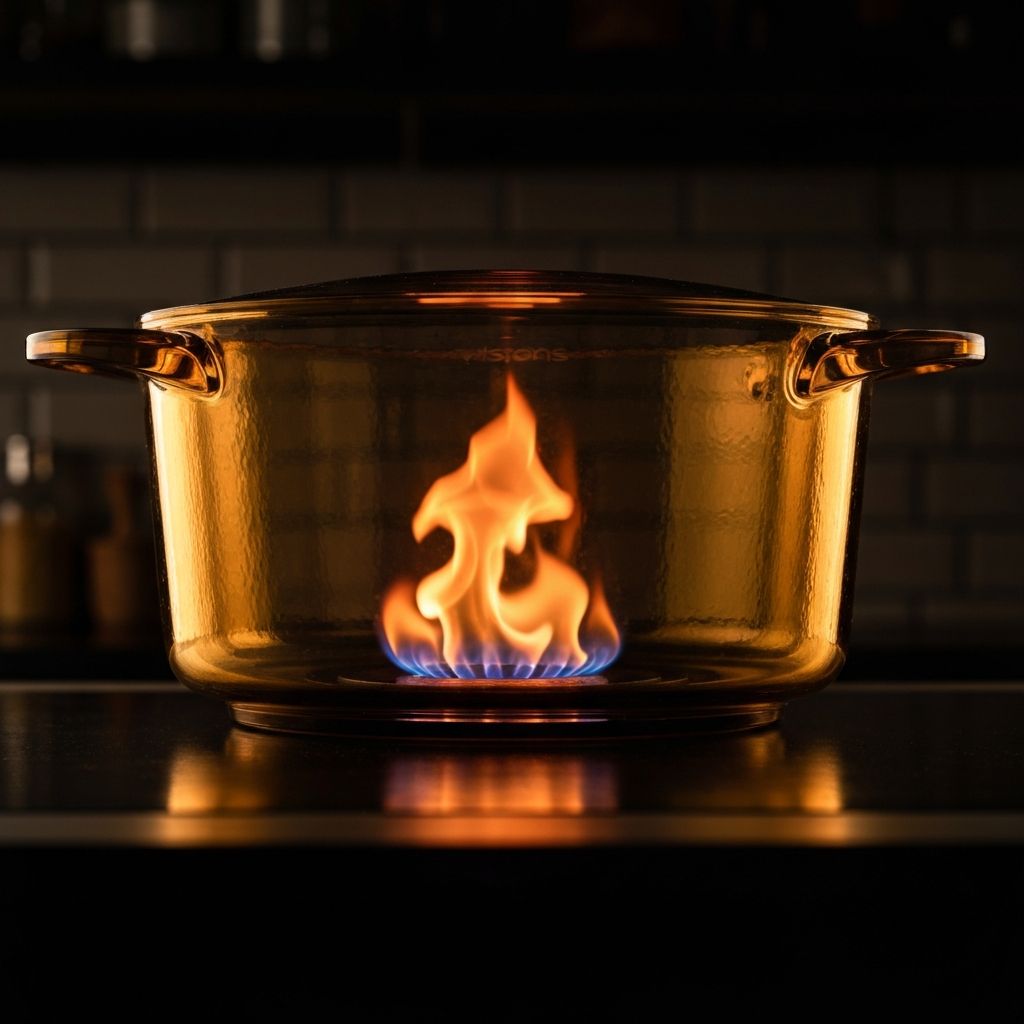
Our Story
The Science Behind the Glass
From rocket nose cones to your kitchen stovetop — the remarkable journey of Pyroceram glass-ceramic and how it became the world's most trusted transparent cookware.
Origin Story
From Aerospace to Your Kitchen Table
Visions cookware was not invented by a chef — it was engineered by scientists at one of America's most innovative laboratories. The material at its core, Pyroceram, was originally designed to withstand the violent thermal extremes of space travel.
The Accidental Discovery
Dr. S. Donald Stookey at Corning Glass Works accidentally overheated a piece of photosensitive glass to 900°C — and instead of melting, it became stronger. This crystallized glass-ceramic material, named Pyroceram, was born from a laboratory mistake that changed materials science forever.
Aerospace Applications
NASA and the U.S. military immediately recognized Pyroceram's extraordinary properties. Its ability to withstand extreme thermal shock — from the cold of outer space to the intense heat of atmospheric re-entry — made it the material of choice for rocket nose cones, missile radomes, and heat shields on spacecraft.
Born in France, For Your Kitchen
Corning partnered with French manufacturer Arcoflam to bring Pyroceram into the home. The Visions cookware line launched first in France, where it was embraced by home cooks who appreciated its unique transparent amber color and unmatched cooking performance. The line quickly spread worldwide.
A Collector's Classic
Decades later, Visions cookware retains a devoted global following. Pieces bought in the 1980s are still in daily use. The brand — now part of Instant Brands — continues to produce the same glass-ceramic formula that has stood the test of time, stovetops, ovens, and dishwashers.
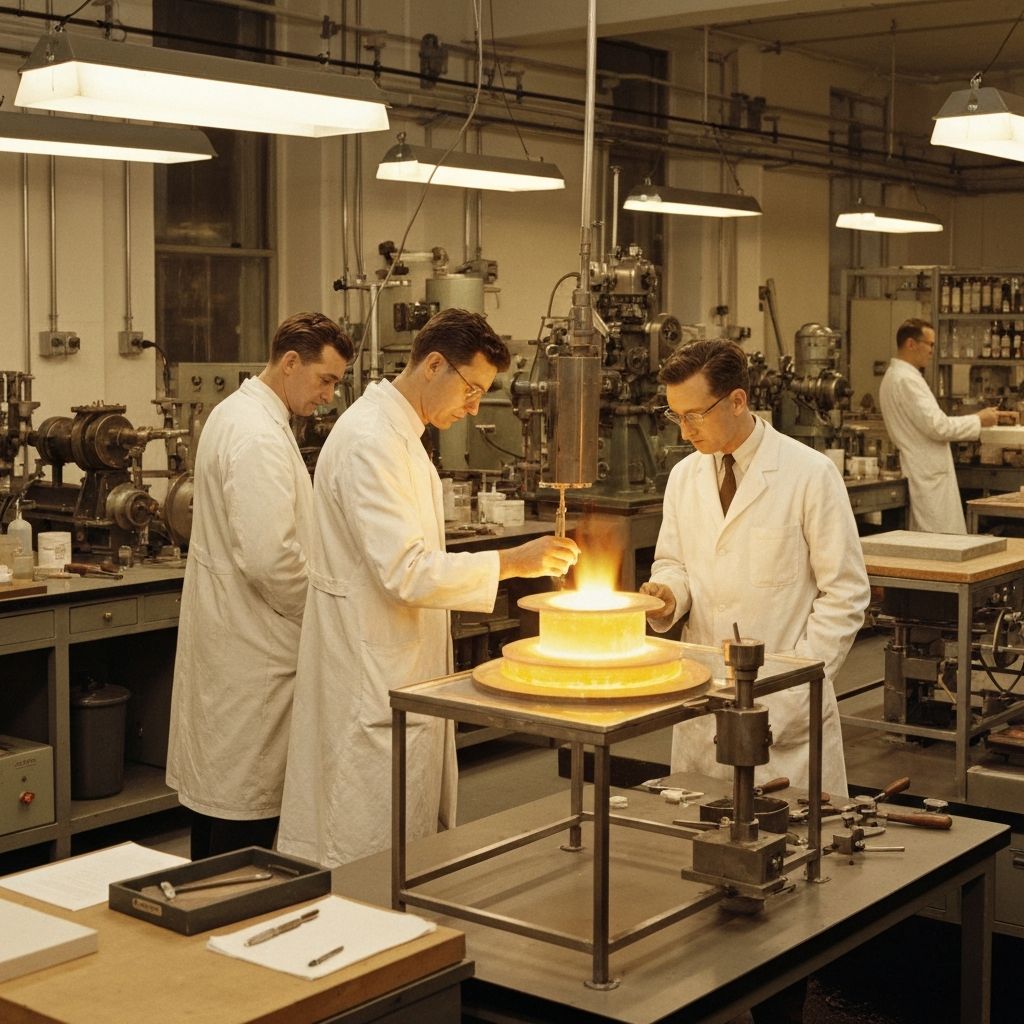
Corning Glass Works scientists first identified Pyroceram's properties in 1957. The material's crystalline microstructure — formed by controlled devitrification — gives it near-zero thermal expansion, making it virtually immune to thermal shock.
Material
Pyroceram®
The Material
What Makes Pyroceram Different
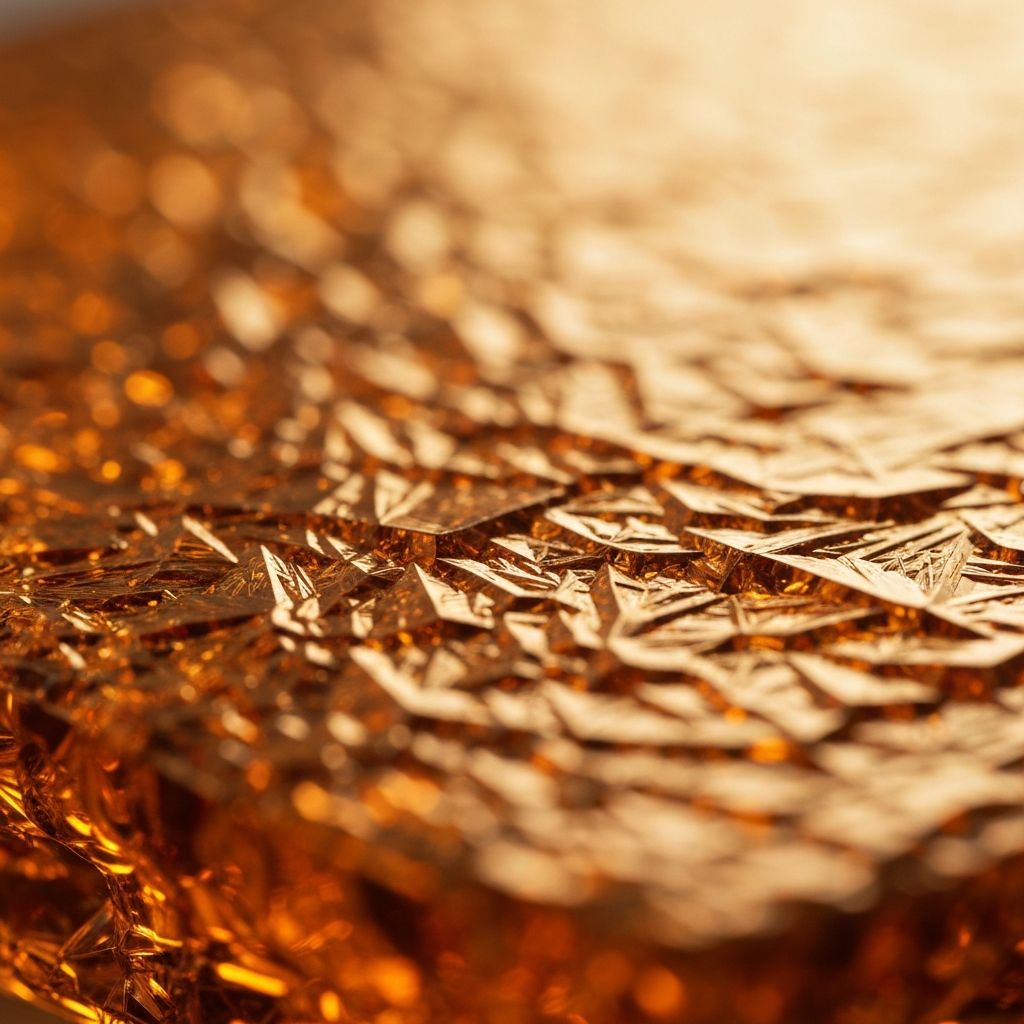
Pyroceram is not glass. It is not ceramic. It is a precisely engineered glass-ceramic composite — a category of material with properties that neither glass nor ceramic can achieve on their own.
The manufacturing process involves melting glass, then carefully reheating it to induce controlled crystallization. The result is a material with extraordinarily low thermal expansion, excellent chemical resistance, and remarkable mechanical strength. The amber color is not a dye — it is a natural property of the titanium dioxide nucleating agent used during crystallization.
Thermal Expansion Coefficient
~0
Near-zero thermal expansion means the material does not meaningfully expand or contract with temperature changes, preventing cracks and fractures.
Maximum Use Temperature
850°C
Pyroceram can withstand sustained temperatures up to 850°C — far exceeding any home cooking application, including broiling and baking.
Crystalline Structure
Glass-Ceramic
Unlike ordinary glass (amorphous), Pyroceram has a polycrystalline microstructure created by controlled nucleation. This gives it the strength of ceramic with the workability of glass.
Surface Porosity
0%
The non-porous surface does not absorb flavors, odors, or bacteria. Food residue cannot penetrate the material, making it genuinely hygienic.
Visual Proof
Ice to Flame. No Cracks.
Most cookware comes with strict warnings: never take a cold pan directly from the refrigerator to the stove. A sudden temperature change causes ordinary materials to expand unevenly, creating stress fractures — or worse, shattering.
Visions Pyroceram glass-ceramic has near-zero thermal expansion. This means the material does not change size with temperature. You can take a Visions casserole straight from the freezer and place it directly on a gas burner. The same pot that stored your frozen soup can cook it — without any waiting, any risk, and any drama.
Safe for frozen food storage directly in the cookware
Store leftovers in the same pot — no transfer needed
Serve directly at the table with no risk of cracking
Direct flame contact — no heat diffuser required
Withstands the full temperature of a home oven and beyond
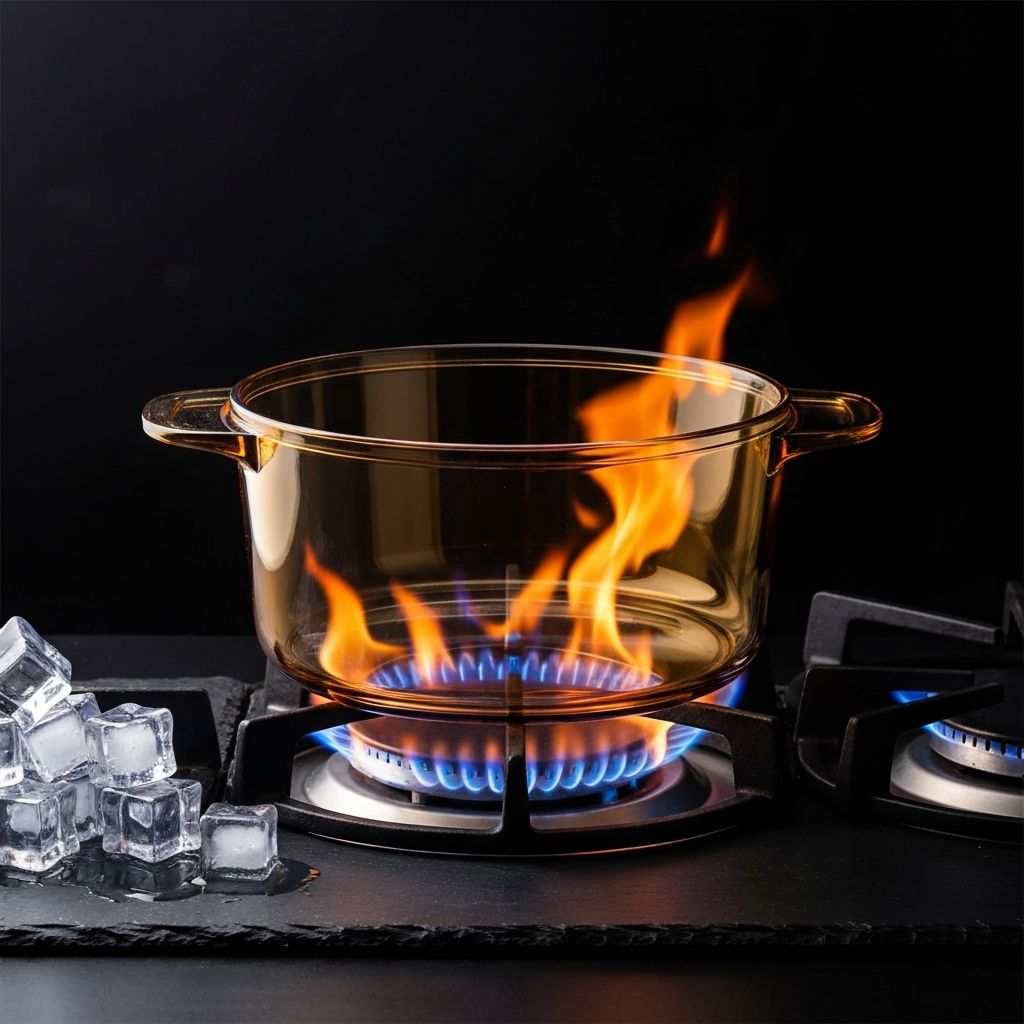
The key property
Near-Zero Thermal Expansion
Health & Safety
What Visions Does Not Contain
In a market saturated with marketing claims about "safe" and "natural" cookware, Visions stands apart because its safety is structural — built into the chemistry of the material itself, not sprayed on as a coating.
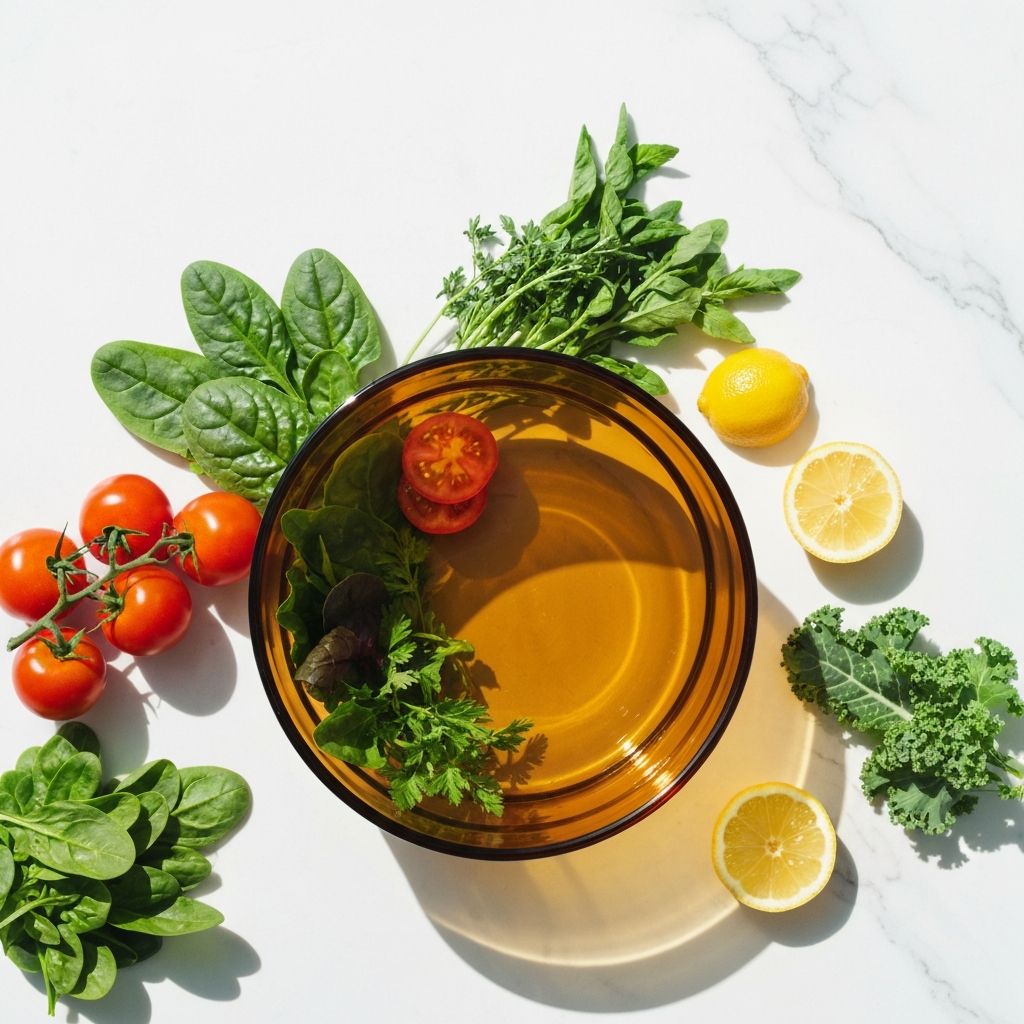
Free from PFOA & PTFE
Traditional non-stick cookware is coated with polytetrafluoroethylene (PTFE) — marketed as Teflon — and manufactured using perfluorooctanoic acid (PFOA). Both compounds are classified as "forever chemicals" (PFAS) that do not break down in the environment or the human body. Visions contains zero fluoropolymer coatings of any kind. The cooking surface is pure Pyroceram glass-ceramic.
No Heavy Metals
Cast iron, some stainless steels, and certain ceramics can leach trace amounts of nickel, lead, or cadmium into food — particularly when cooking acidic dishes. Pyroceram is chemically inert. Independent testing has consistently shown zero migration of heavy metals or any other substances from Visions cookware into food, even after decades of use.
Non-Reactive with Acidic Foods
Tomato sauce, lemon-based stews, wine reductions, vinegar marinades — these are all highly acidic foods that can react with metal cookware, leaching metallic ions and altering the flavor of your dish. Pyroceram's glass-ceramic surface is completely non-reactive. Acids, bases, and salts have no effect on it whatsoever. Your tomato sauce will taste only of tomatoes.
No Coatings That Degrade Over Time
Non-stick coatings degrade with use. Once the surface is scratched or the coating begins to flake, the cookware must be replaced. Visions has no coating to degrade. The surface you cook on today is molecularly identical to the surface you will cook on in thirty years. There is nothing to scratch off, nothing to flake into your food.
Material Comparison
Visions vs. Other Cookware Materials
| Material | PFOA/PTFE | Metal Leaching | Reacts w/ Acid | Surface Degrades | See-Through |
|---|---|---|---|---|---|
| Visions PyroceramBest | No | No | No | No | Yes |
| Non-Stick (Teflon) | Yes | No | No | Yes | No |
| Stainless Steel | No | Yes | Yes | No | No |
| Cast Iron | No | Yes | Yes | No | No |
| Ceramic-Coated | No | No | No | Yes | No |
Based on published material safety data. "Metal leaching" refers to nickel, lead, or cadmium migration under acidic cooking conditions.
Ready to Cook
Experience Visions Cookware for Yourself
You now know what Pyroceram is, where it came from, and why it matters for your health and your cooking. The next step is to put it in your kitchen. Browse the full collection on Amazon — from compact 1.5L saucepans to generous 5L Dutch ovens — and discover why millions of cooks worldwide have trusted Visions for over four decades.
1957
Year Pyroceram was invented
40+
Years of kitchen heritage
0
Toxic chemicals in the material
850°C
Maximum temperature resistance